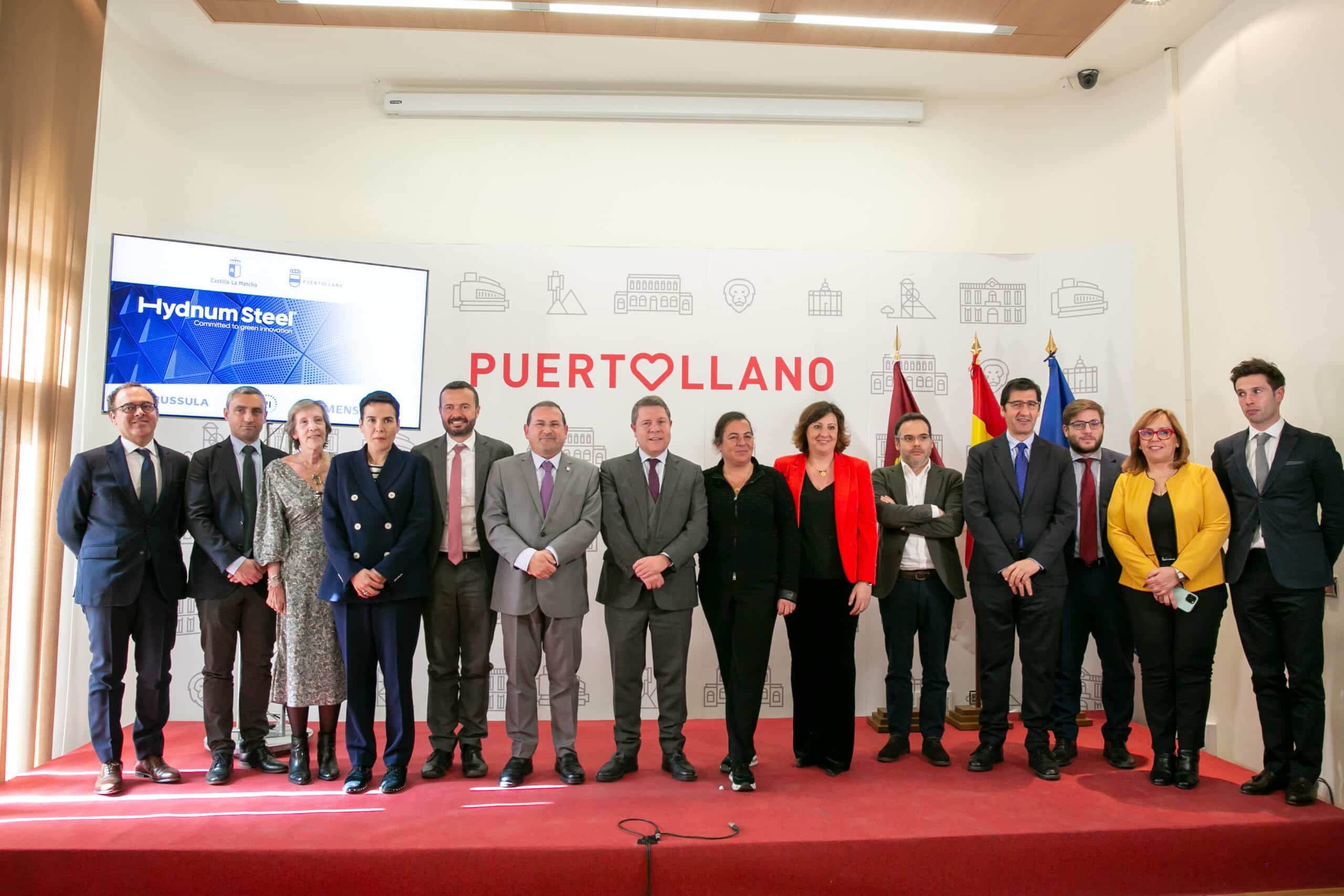
Hydnum Steel presents its green steel project at the Congress: zero emissions, zero waste and renewable energy to decarbonize the steel industry.
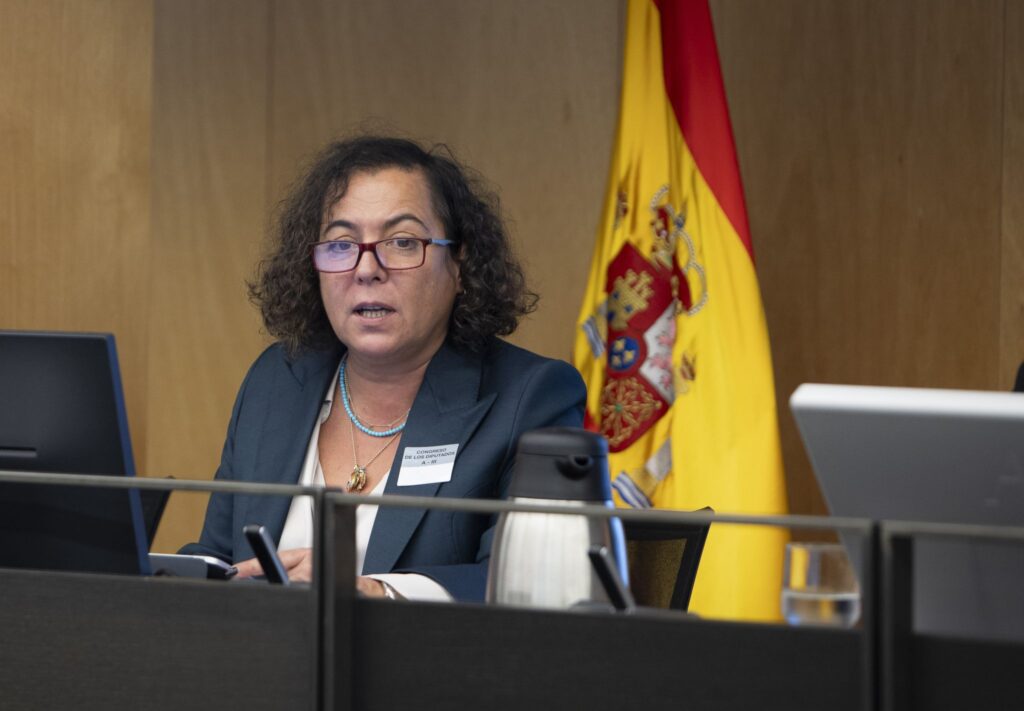
- The company’s CEO, Eva Maneiro, has asked the Industry Commission for institutional support for this key initiative for the transition to an economy without a carbon footprint.
- The future plant will avoid almost five million tons of CO2, a figure equivalent to the annual emissions of all vehicles in a large city such as Madrid.
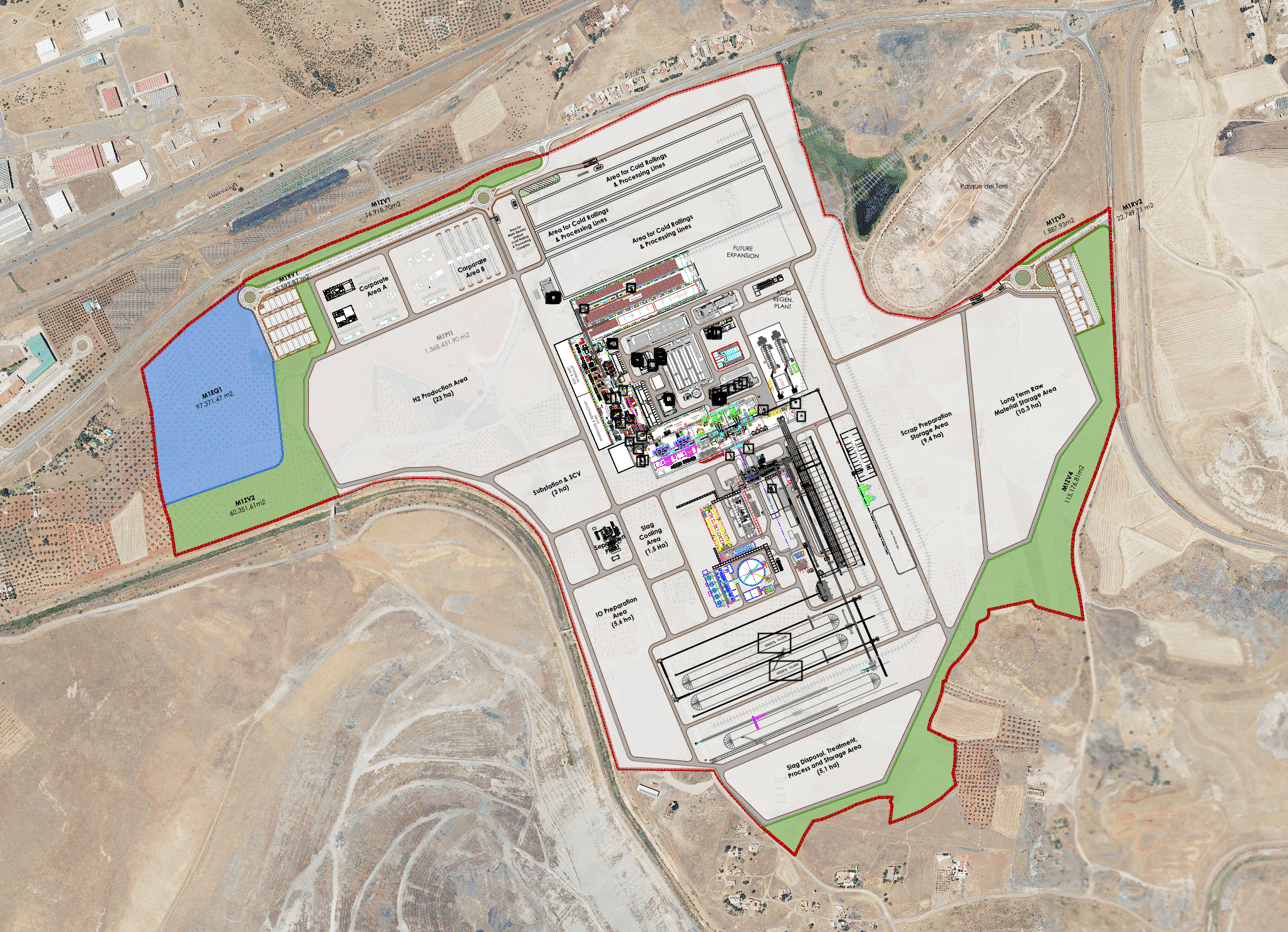
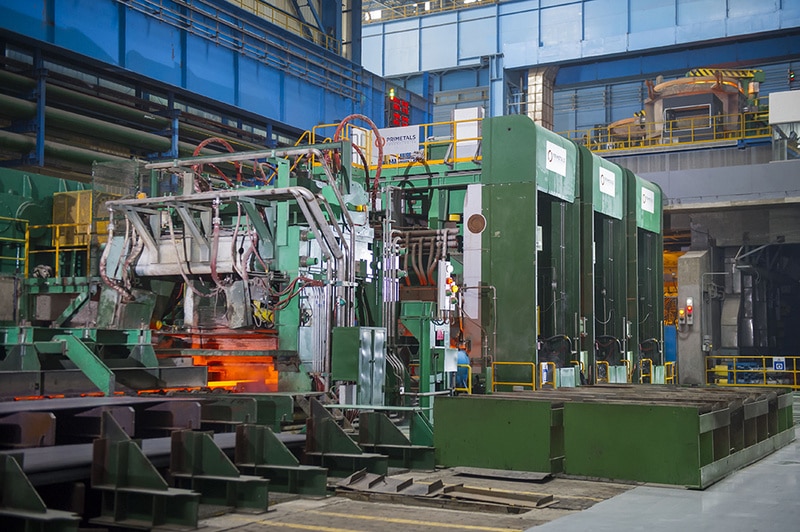
Hydnum Steel today presented its ambitious project to transform the steel industry in Spain and Europe, building the first plant in the Iberian Peninsula that will operate without fossil fuels, using renewable energies and green hydrogen, to the Industry Commission of the Spanish Congress of Deputies. A decisive and pioneering step towards the total decarbonization of steel, an industry that accounts for almost 10% of global CO2 emissions.
“Another way of producing steel is possible,” said Eva Maneiro, CEO of Hydnum. “Our goal is clear: to manufacture green steel, completely emission-free and with no discharge into the environment.” The new plant, located in Puertollano, will be a model of water sustainability thanks to its pioneering wastewater reuse system. “We are going to demonstrate that it is possible to produce steel without compromising the future of the planet, taking care of every drop of water,” he added.
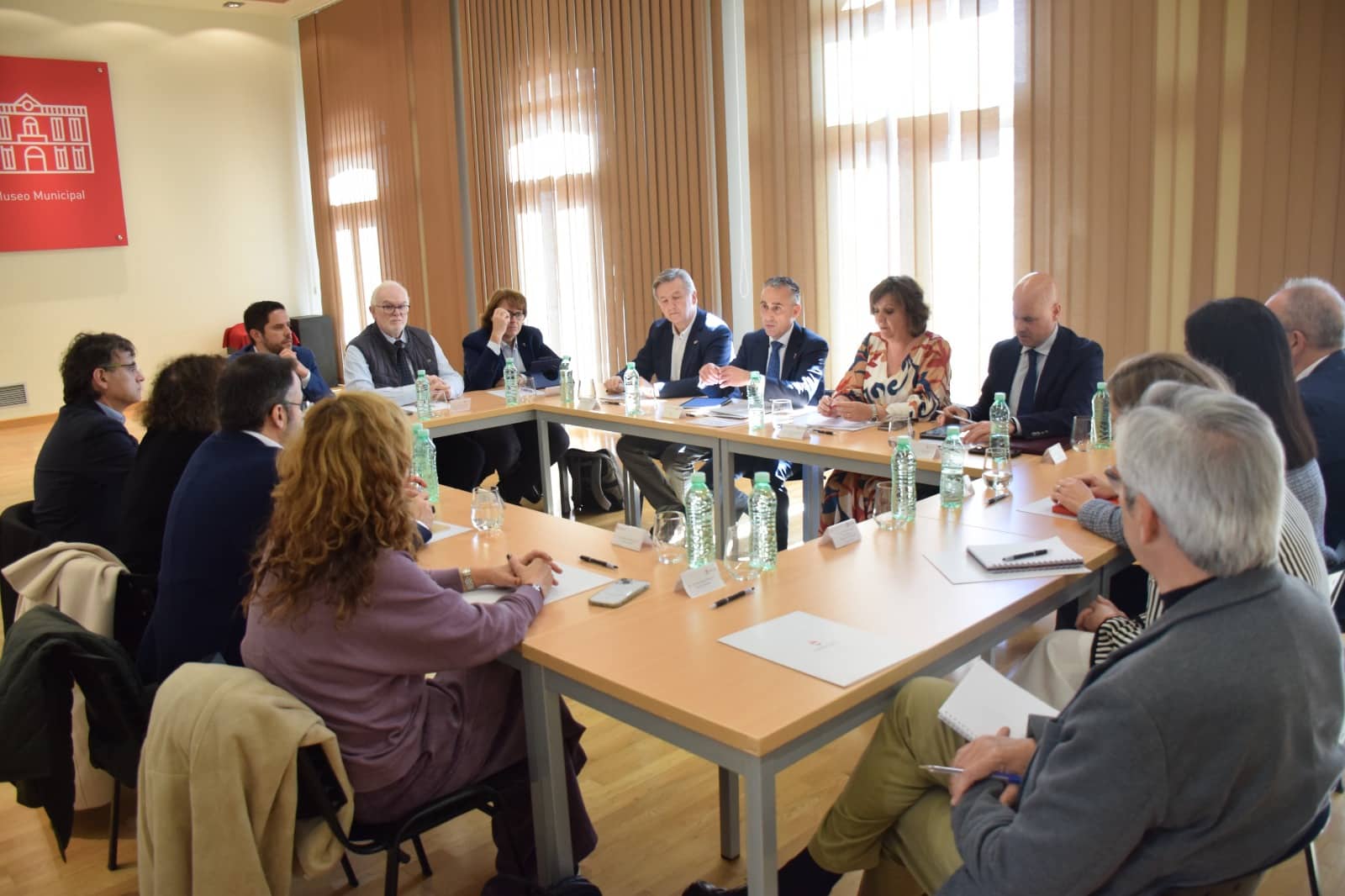
This extraordinary session was attended by Inés Granollers, president of the Industry and Tourism Commission of the Congress of Deputies, as well as members of the Bureau, spokespersons and members of the Commission, who requested the appearance of Hydnum Steel to know all the details of this project.
A commitment to decarbonization and Europe’s industrial independence
The Hydnum Steel plant will be one of the first green steel mills in Europe, an example of how technology can merge with sustainability to reduce the environmental impact of a key industry. In addition, the World Economic Forum (WEF) has recognized Hydnum Steel as one of the five most innovative projects globally in the race to decarbonize steel production.
The initiative comes at a crucial time, when demand for emission-free steel is booming and European policies call for a drastic reduction in the carbon footprint of sectors such as automotive. According to forecasts, Europe will need to produce up to 30 million tons of green steel by 2030, “a challenge that only those who invest now in innovation and sustainability will be able to take on,” said Maneiro.
“The transformation of the steel industry is not only possible, but essential. We have to decide whether we want to remain part of the problem or commit to being part of the solution,” he added.
Hydnum Steel, with an estimated production capacity of two and a half million tons of flat steel per year, will avoid the emission of almost five million tons of CO2, equivalent to the annual emissions of all the vehicles in a large city like Madrid.
Technological innovation and water sustainability
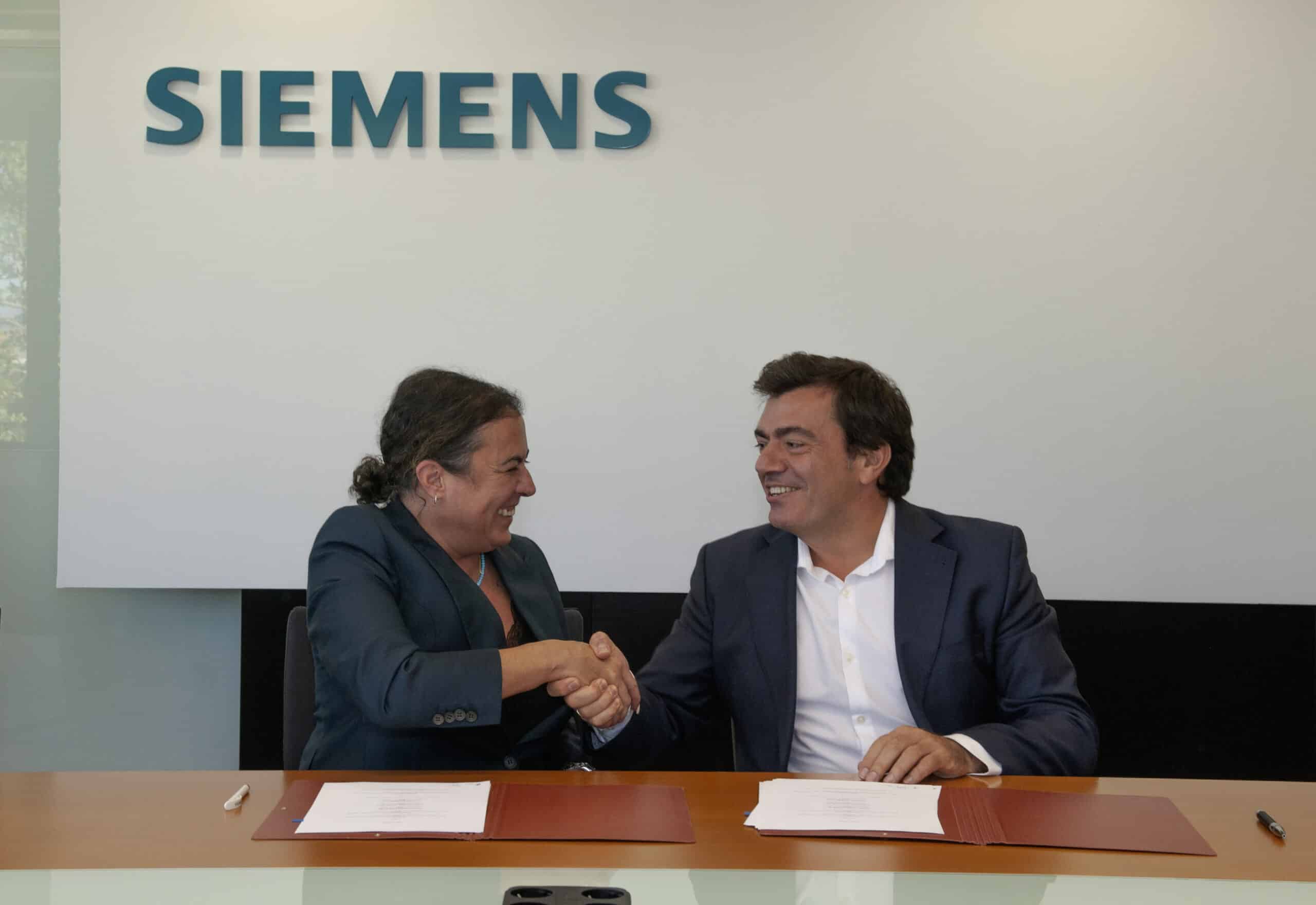
One of the most innovative features of Hydnum Steel will be the use of the Digital Twin developed together with Siemens, strategic partner of the project, which will allow optimizing all aspects of the production process in real time, improving energy efficiency and reducing the consumption of resources. This makes the plant not only a benchmark for sustainability, but also a model of production efficiency.
But Hydnum’s commitment is not limited to the elimination of emissions. The plant will be a pioneer in water management, using advanced technology to treat and reuse graywater and wastewater, completely eliminating discharges to the environment. “The steel industry has traditionally been a large consumer of water, but at Hydnum Steel we are going to change that reality,” explained Maneiro. “We want our plant to be a benchmark in water sustainability, which means not only producing steel cleanly, but also doing so without compromising water resources.”
Economic and social impact in the heart of Spain
The plant’s location in Puertollano is no coincidence. The region, with a solid industrial infrastructure, is already a strategic node for the production of green hydrogen and renewable energies, key elements for the success of the project. In addition, the plant will create more than 1,000 direct jobs and around 5,000 indirect jobs, revitalizing an area with high unemployment, especially among young people.
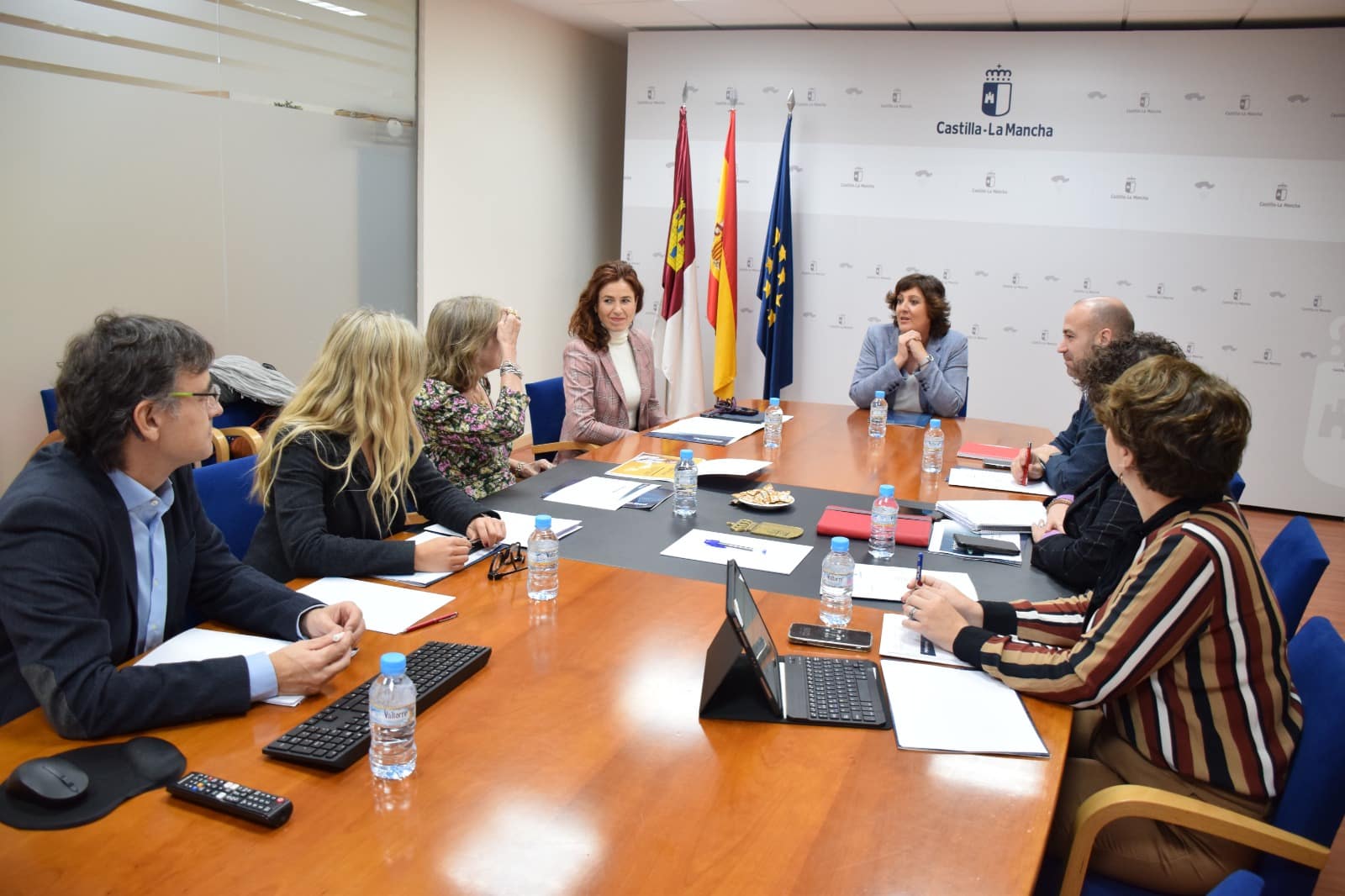
“The economic impact will be significant,” Maneiro said. “This project will not only transform the steel industry, but will also drive the reindustrialization of a key region, attracting foreign investment and fostering the development of new clean technologies.” In addition, the plant has the support of the Government of Castilla-La Mancha, which has declared it a Priority Project, recognizing its strategic importance both locally and nationally.
Spain, leader in green hydrogen and renewable energies
In his speech, Maneiro also highlighted Spain’s role as a leader in green hydrogen and renewable energies at international level. “A few weeks ago we participated in a green steel fair in Dubai and the perception about Spain was clear: we are at the forefront in the adoption of green hydrogen as a clean energy source,” he said. This leadership, he stressed, is a competitive advantage that positions Spain on the global map of energy transition.
Hydnum Steel will not only contribute to reducing the steel deficit in Europe, but will also position Spain as a benchmark in sustainable steel production in a market where demand continues to grow. This international recognition reaffirms the importance of continuing to invest in projects such as Hydnum, which not only have a positive impact on the environment, but also on Europe’s energy and industrial autonomy.
Institutional support and the need to act now
Maneiro concluded his speech with a clear appeal: “The time to act is now”. He stressed the importance of institutional and financial support for the project to get off the ground in 2025 and emphasized the need to join forces with other strategic players to secure the necessary funding. Hydnum Steel, he said, is more than a steel plant: “It is a key project for Europe’s industrial and energy independence, and for the decarbonization of one of the most polluting sectors on the planet”.
“We are convinced that this project will not only transform the steel industry, but will help protect our planet for future generations,” Maneiro concluded, making it clear that the company is ready to lead the change towards a cleaner and more sustainable future.


Related news